
IF YOU ENJOY A LONGER READ OGGY IS NOW ON SUBSTACK
LATEST POST
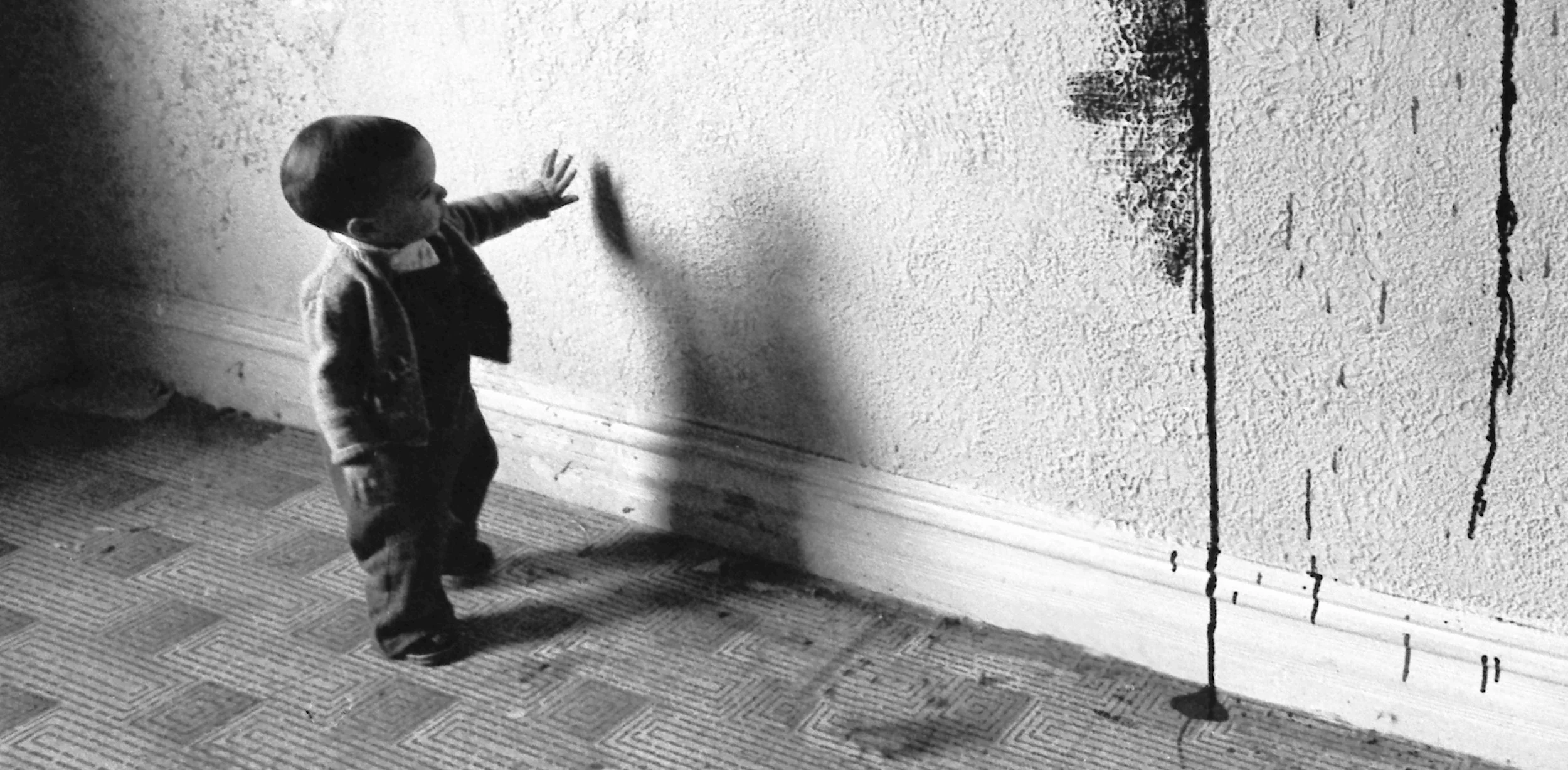
SCHOOLED: The Best and Worst of Times
Go West→
July 17, 2026
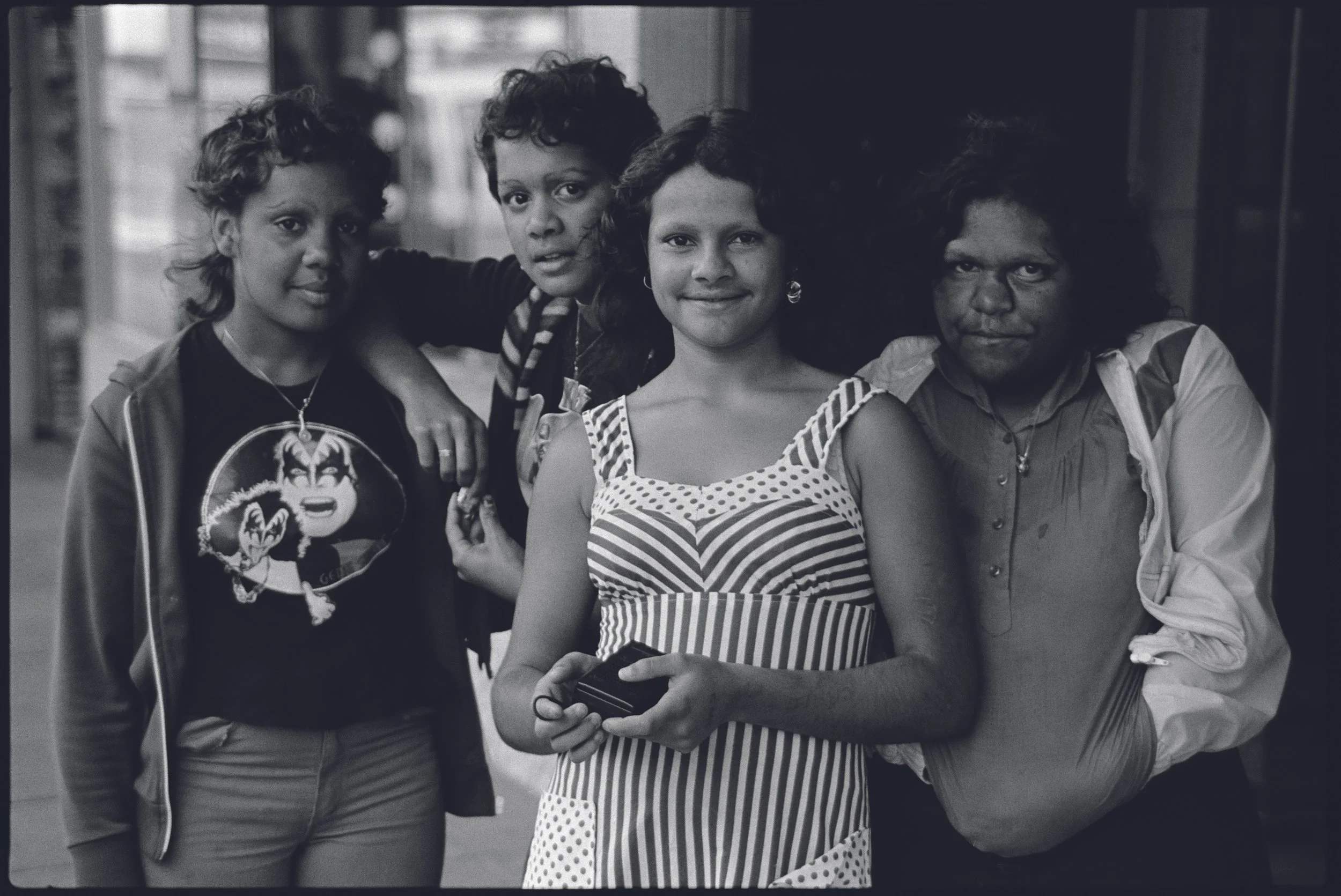
Resistance to the Vietnam War had made me politically engaged, but after entering tertiary in 1976 I became an activist. It was my studies into post-contact legislation enacted against First Nation peoples that really radicalised my thinking about politics and mainstream society. These studies demonstrated how British law had been continually adjusted to suppress First Nation people. I began a deep dive into the great Australian silence, which steered me towards photographing what was the early days of Aboriginal self-determination and Land Rights.
The 1976 Aboriginal Land Rights (Northern Territory) Act was the first legislation in Australia allowing First Nations peoples to claim title to Country based on traditional ownership.
Previously, I had little experience into what racism looked like, but once I truly looked it was clear to see. It was a turning point. Racism was always just under the surface in Western Australia, a leftover from the wild west frontier mentality, and Aboriginal people were often forced to eke out an existence in fringe-dweller camps.
WAR: What is it Good For!
Absolutely nothing! Say it Again! →
July 10, 2026
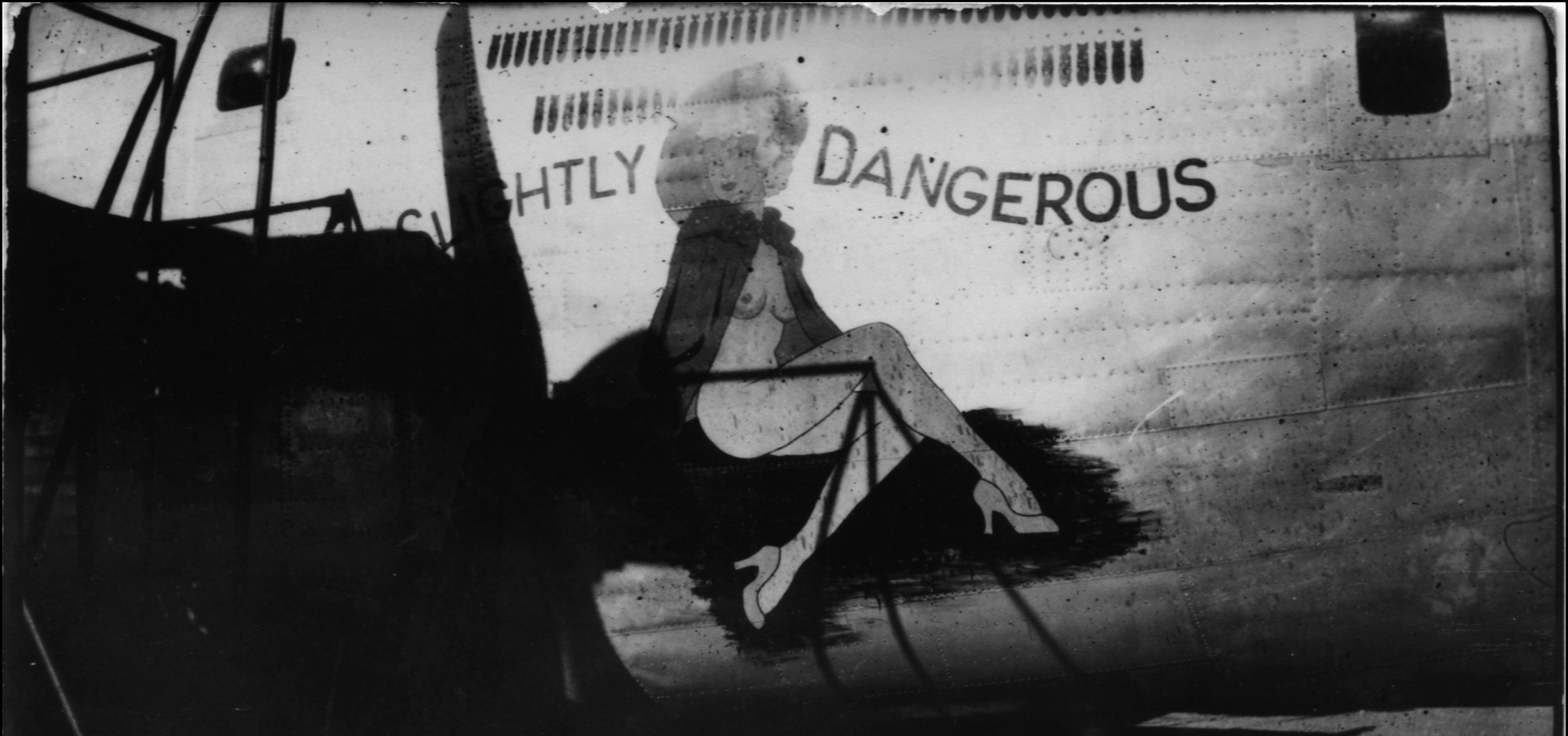
This is a personal account of my fleeting career as a conflict photojournalist—more commonly described as a war photographer—following my exemption from call-up for the Vietnam War. The reason for the exemption was that I was a student, but the overarching factor was my anti-war stance as a conscientious objector. I was not a pacifist who believes that any killing other human beings is inherently immoral, whether in war, capital punishment, self-defence or abortion. My beliefs allowed for wriggle room in some of these areas, including the participation in a just war.
STOKED: Journals of a Surf Bum
The Surf Bum Project →
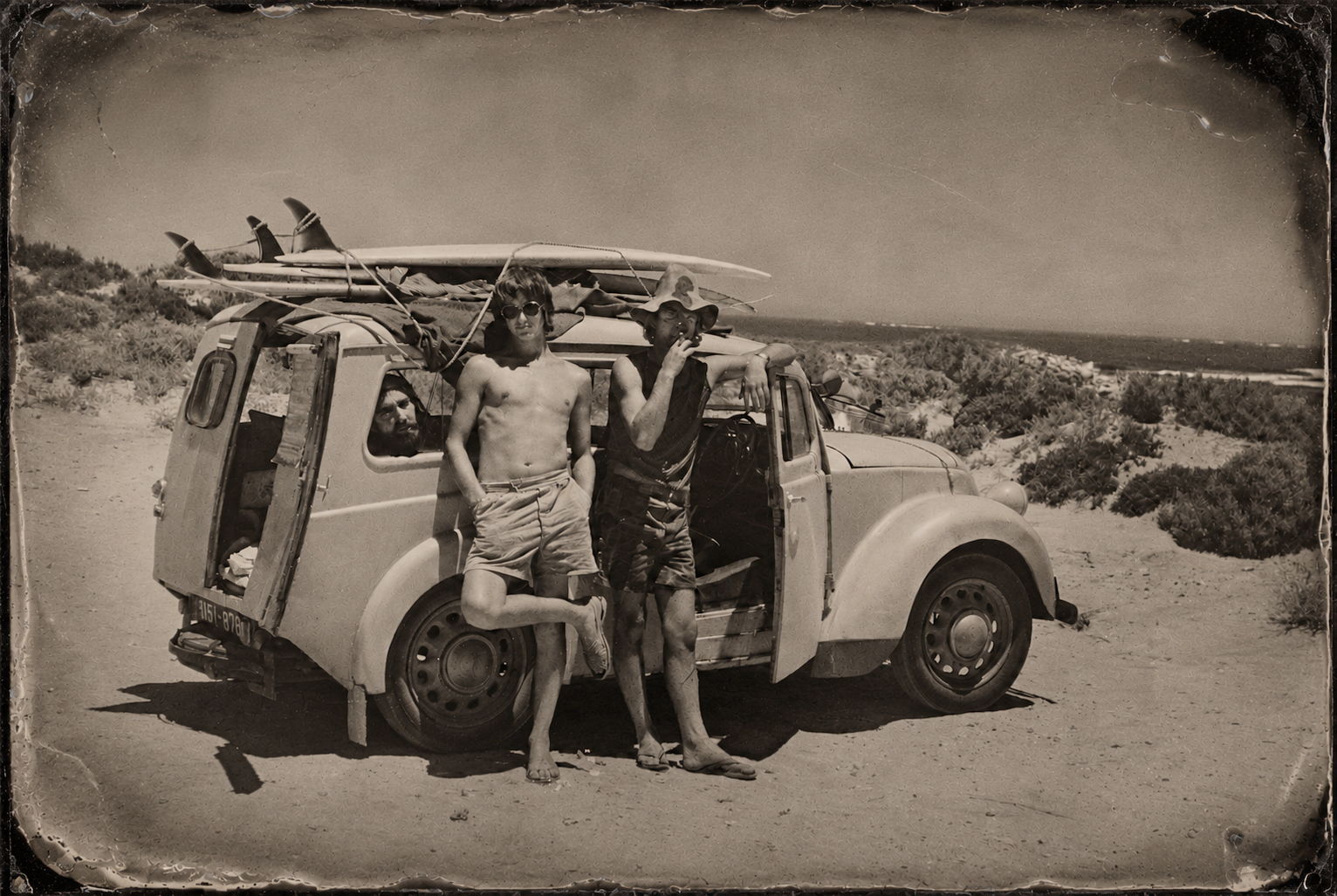
July 03, 2026.Somehow, from the blissful existence of being a surf bum on a magical island, my stance as a conscientious objector to the war in Vietnam delivered me to Glenside psychiatric hospital—formerly known as Parkside Lunatic Asylum—a grim collection of Victorian era stone buildings near Adelaide that housed some of societies most vulnerable people. The reason for this rupture was that students were exempt from national service and I was studying psychology while working as a psychiatric nurse.
With the arrival of the Whitlam Labor Government, the call-up was abolished. Free again, I got work as a fisherman on tuna boats out of Streaky Bay in South Australia. For a couple of seasons I lived a seafaring version of a Summer of the Seventeenth Doll itinerant existence, working about three months poling southern bluefin tuna over summer and then spending the rest of the year bumming around Southeast Asia. Then in the winter of 1974, I bunkered down in the sandhills on the edge of the Great Australian Bight for a couple of months. Surfers called this place Cactus.